Still have questions?
Come chat with us and we will get back to you as soon as possible!
Contact Support
HolyHosting
Holy Team
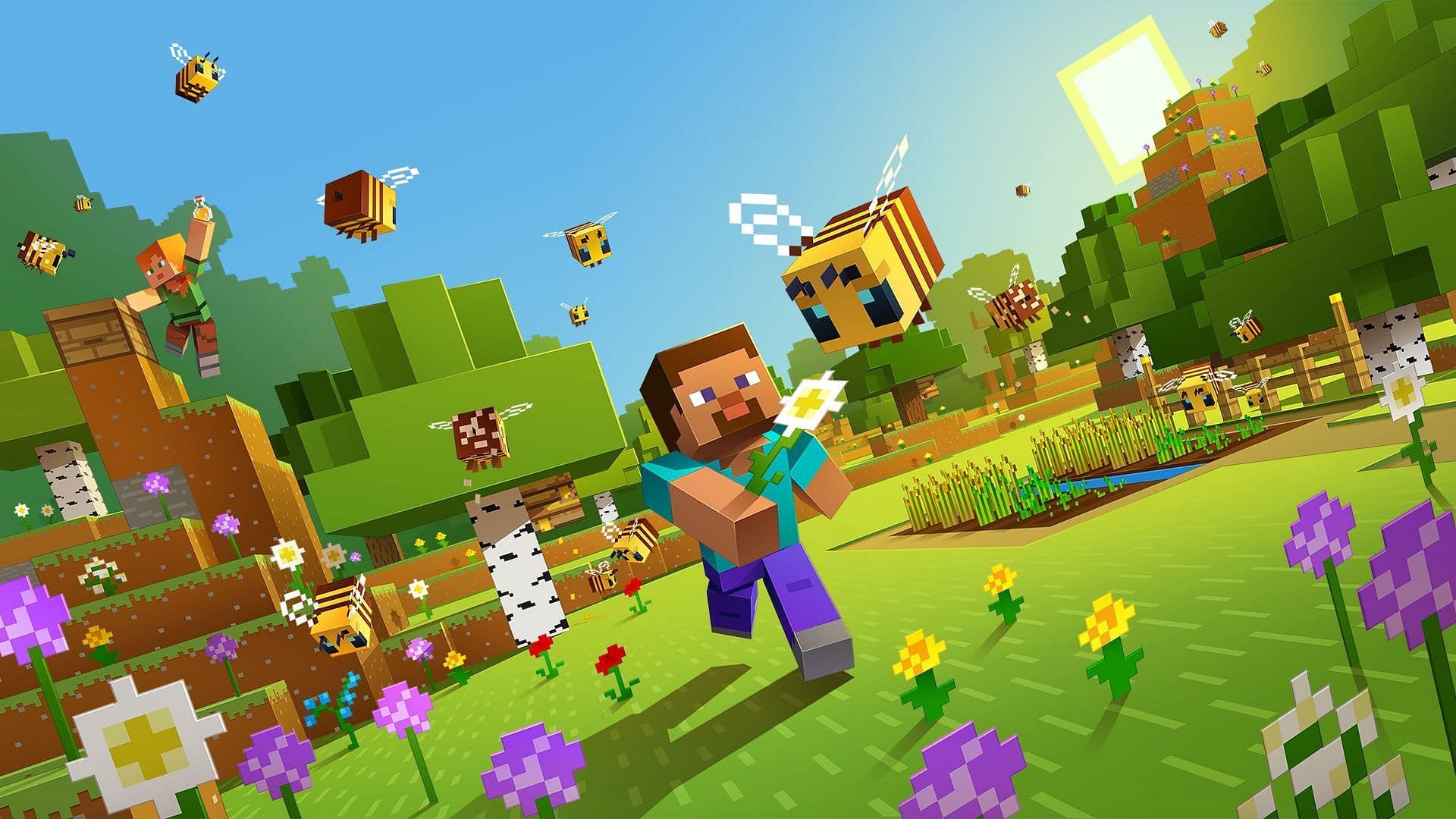
How to Install and Use TerraForged for Minecraft
Overview
Vanilla Minecraft world generation is familiar, reliable, and very easy to recognize after enough survival worlds. TerraForged changes that by rebuilding terrain with more natural mountain ranges, smoother plains, connected rivers, redesigned forests, and unusual biome layouts. The result feels less like a random patchwork of chunks and more like a landscape that was allowed to breathe.
TerraForged is a Forge mod, so both your Minecraft client and multiplayer server need the correct Forge version before the mod can run. Once installed, you also need to generate a world using the TerraForged level type. Skipping that last step is the classic way to install everything correctly and still wonder why the world looks ordinary.
This guide covers downloading TerraForged, installing it locally, adding it to a Forge server, creating a new TerraForged world, and fixing the most common problems.
Downloading TerraForged
- Open the TerraForged page on CurseForge and select the Files tab.

- Find the file that matches the Minecraft version and Forge version you plan to use.
- Open the file menu, then choose Download File.

- Save the `.jar` file somewhere easy to find, such as your desktop or downloads folder.
Version matching matters here. A TerraForged build made for a different Minecraft version may fail to load, crash during startup, or simply refuse to appear in your mod list.
Installing TerraForged on Your Client
Because TerraForged runs on Forge, install Forge in your launcher before adding the mod. After Forge is ready, use these steps:
- Open the Minecraft Launcher and select Installations.

- Find your Forge profile and click the folder icon for that installation.

- Open the `mods` folder. If it does not exist, create one using that exact lowercase name.
- Drag the downloaded TerraForged `.jar` file into the folder.
- Return to the launcher and start Minecraft with the Forge profile.
After the game loads, check the mods menu if you want to confirm TerraForged is active before joining a server.
Installing TerraForged on a Server
A multiplayer server also needs Forge and the TerraForged mod file. The client and server should use compatible Minecraft, Forge, and TerraForged versions.
- Open your server panel and stop the server.

- Open FTP or your file manager, then sign in if prompted.

- Enter the `mods` directory.
- Upload the same TerraForged `.jar` file used by your client.
- Wait for the upload to finish completely before starting the server again.
If the server is missing TerraForged, players with the mod may not be able to join. If the client is missing it, the same problem happens from the other direction. Modded servers are picky like that, and honestly, they have reasons.
Generating a TerraForged World
Installing the mod does not automatically convert an existing world. To see TerraForged terrain, create a new world with the correct level type.
- From the main server panel, open Config Files.

- Open Server Settings and locate Level Type.
- Set the value to `terraforged`, using lowercase letters only.

- Save the settings.
- Create a new world when prompted, or change the world name so the server generates fresh terrain.
- Start the server and join after it finishes loading.
Existing chunks will not regenerate just because the level type changed. If you use an old world, already explored areas keep their original terrain.
First Look In Game

Once you join a properly generated TerraForged world, the difference should be obvious. You may spawn near broad plains, snowy slopes, steep ridges, winding rivers, or forests that feel denser and more varied than the default game.
Some biomes may still look close to vanilla Minecraft, but most terrain transitions and land shapes should be noticeably different. If cheats are enabled or you are a server operator, the `/terra locate` command can help find TerraForged biomes and terrain types faster. Otherwise, old-fashioned exploring works too, assuming nobody immediately falls into a ravine while admiring the scenery.
Natural Terrain Changes

TerraForged is best known for terrain that rises and falls more gradually. Mountains can stretch across large areas instead of appearing as sudden spikes. Slopes, ridgelines, and valleys connect in a way that makes the world feel more believable.

Some mountain ranges use stone, granite, and other exposed blocks instead of simple grass-covered hills. These areas can be useful for mining coal, iron, and other visible resources, while also providing dramatic base locations.

Plains also change. Instead of uneven patches everywhere, TerraForged can create flatter open land that works well for towns, farms, roads, and large builds. Occasional bushes, block variation, and nearby terrain transitions keep those areas from feeling empty.

As plains connect into hills, forests, and mountains, the world gains a stronger sense of scale. Structures can be easier to spot in open regions, and long-distance travel feels more connected than in many default worlds.
Better Rivers


Rivers are another major improvement. TerraForged makes waterways feel more continuous, with natural curves and height changes that fit the surrounding land. Instead of short, broken river segments, you can often follow water across larger parts of the map.
This makes boats more useful for exploration and gives builders better locations for bridges, docks, mills, and riverside bases. It is not the loudest feature in the mod, but it improves the feel of the world every time you cross water.
Redesigned Forests
TerraForged also reshapes forests with custom tree placement, varied ground cover, bushes, and more interesting spacing. Different forest types can feel distinct instead of looking like the same tree pattern with a new leaf color.


Some forests are dense enough to slow travel, with low leaves and smaller trees creating natural obstacles. Others are easier to move through because the trees are taller or spaced more carefully. That variety makes gathering wood, scouting land, and building paths more interesting.

Flower-heavy forests can be useful for dyes and decorative builds, especially when mixed with tall birch trees or open patches of grass.

Other wooded areas feel closer to compact jungles, with plenty of accessible logs and enough canopy space for treehouses, bridges, and elevated villages.
Unique Biomes and Mod Compatibility


Beyond familiar terrain, TerraForged can generate unusual biome shapes and striking landforms, such as stone spires, rough badlands, and dramatic islands. Exploration is the best way to find them, though commands can speed up the search when testing a server or building a spawn area.
TerraForged can also work with many biome mods, blending additional terrain into its world generation. Compatibility still depends on the exact mods and versions involved, so test new biome combinations before committing a long-term server world to them.
Common Issues
If you cannot join the Forge server, confirm TerraForged is installed on both the client and the server. Check that the `.jar` file is inside each `mods` folder and that the launcher is using the correct Forge profile. Also confirm the server itself is running Forge rather than vanilla Minecraft.
Client crashes can come from mismatched versions, outdated graphics drivers, OptiFine conflicts, or too many client-side mods. Updating the GPU driver, removing incompatible visual mods, or allocating more memory to Minecraft may help.
If the server starts but the world does not look like TerraForged, check the Level Type setting again. It must be exactly `terraforged`, with no capital letters, spaces, or extra characters. Then generate a new world, since old chunks will not change automatically.
Lag can happen when a server runs a large mod list, generates new terrain quickly, or has too little memory for the workload. Remove unnecessary mods, pre-generate important world areas when possible, and consider performance-focused Forge mods that match your Minecraft version.
Useful Links
- TerraForged on CurseForge
- How to install Forge for Minecraft
- How to set up a Minecraft Forge server
- Biomes O' Plenty mod guide
Still have questions?
Come chat with us and we will get back to you as soon as possible!
Contact SupportRelated Guides
Turn Minecraft Into a Lego World With the Brickcraft Resource Pack
Make every block, mob, and tool in Minecraft look like Lego pieces. This guide walks through downloading, installing, and running Brickcraft on both client and server.
How to Install and Use Litematica in Minecraft
Learn how to install Litematica for Minecraft, load schematic files, position blueprints, and use the material list for survival builds.
How to Install and Play Valhelsia Enhanced Vanilla on a Minecraft Server
Set up Valhelsia Enhanced Vanilla for Minecraft, install the client profile, configure your server, and learn the early skills, items, and fixes that help the pack run smoothly.